Oct 22, 2017

Seasonal Affective Disorder: 5 Tips To Prevent It Completely

I had a reader question come in a few days ago that I found interesting enough to respond to in full, and I’ve decided to share it publicly so that others may benefit.

“Hey Jordan,

I suffer from seasonal affective disorder. I live in the Pacific Northwest and I definitely feel the winter time blues. Do you have any advice on how I can circumvent this tricky time of year? Thanks!”

I also live in a place that is rainy and cloudy for at least half of the year. I’ve developed a few simple, high leverage tricks that help keep my head straight through the gloomier months.

Here they are, in no particular order.

1. Light Box Therapy

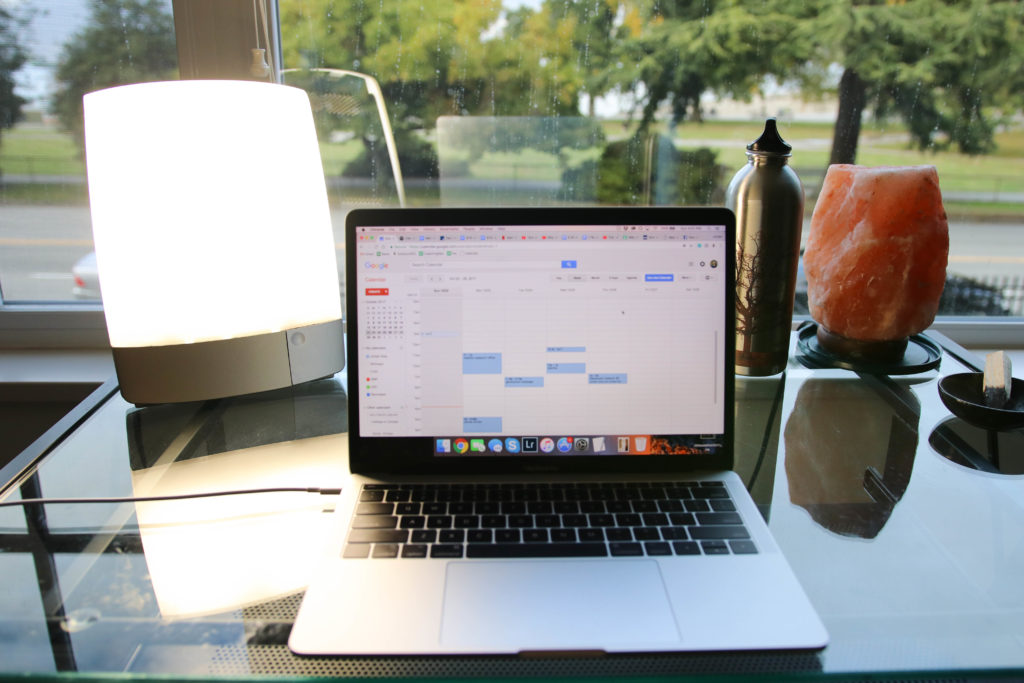
For 10-30 minutes per day, I sit in front of a bright light that mimics sunlight and tricks my brain into thinking that it’s still summer time. Hashtag life hacks.

I use this particular brand. Check it out. It helps me out a ton and I can immediately feel the difference when I use it (more energy, happier, more productive, etc.).
seasonal affective disorder

And this is what my setup looks like while I use it.

2. Vitamin D3 Supplement

I also take a liposomal vitamin D3 supplement every morning with water.

Since vitamin D deficiency is the main culprit in bringing about seasonal affective disorder symptoms, I get my vitamin D from multiple angles.

Vitamin D outside (light box), and vitamin D inside (supplement).

3. Regular Exercise

Getting out of your head and into your body is necessary if you’re going to thrive during the cloudy months in your city.

Find a form of exercise that is genuinely fun for you, and do it at least 2-3 times per week. Better yet, do it with your friends.

In my life, that means dancing, doing yin yoga, and going to infrared saunas on the regular.

4. Eat Healthy

If your brain is missing certain micronutrients, then you’ll be more prone to seasonal affective disorder.

Eat a wide range of nutrient-dense, easily digestible whole foods (especially ensuring consumption of vitamin D and omega 3’s), and you’ll be fine.

For a quick cheat sheet of what I recommend as a baseline diet, read this article.

5. Ample Connection Time With Friends

Seasonal affective disorder (and depression and anxiety in general) tend to take hold when we’re eating poorly, not moving our bodies, and isolating ourselves socially. Human beings are a social species… which means that we don’t thrive when we spend too much time alone.

Make sure that you’re spending a lot of time with your nearest and dearest to fend off any unwanted sadness.

seasonal affective disorder

Don’t have any friends? Read this. Want to go deeper in your friendship? Read this.

That’s it! Nice and simple.

Get your sunlight, eat well, move your body, and allow yourself to be deeply embedded in a community of people who love you, and you’ll have a handle on your seasonal affective disorder symptoms in no time. Best of luck!

Dedicated to your success,

Jordan

Ps. If you enjoyed this article, you’ll also love checking out:

7 Simple Tips To Beat Anxiety Naturally

How To Overcome Depression Naturally

How To Manage Stress Effectively (Or How I Weathered My Shit Storm Of A Year)

Jordan Gray
About Jordan Gray

Jordan Gray has been a sex and relationship coach for over 15+ years, with his work reaching over 200 million people worldwide. His writing has been featured in Vogue, GQ, The New York Times, Cosmopolitan, Women’s Health, and countless other publications around the world. When he’s not working with 1-on-1 coaching clients or writing a new article, he’s most likely to be found reading, chopping wood, or spending time with his wife on a little island off the west coast of Canada.

Blog

Related

See All
Why Spiritual Awakening Is So Painful
Jan 7, 2024
Jordan Gray
Why Spiritual Awakening Is So Painful
In order to travel from a state of numbness to a state of joy and dynamic aliveness, you must first feel your way through all of the pain that you buried within. When I truly started to engage in my deeper inner work, I cried daily for a period of 8 months. There were days (maybe weeks?) where I felt...
Continue Reading
5 Tips For Your Weekly Relationship Ritual
Feb 9, 2024
Jordan Gray
5 Tips For Your Weekly Relationship Ritual
Want a surefire way to boost the connection, love, and harmony in your intimate relationship? A weekly relationship ritual is sure to do the trick! Whether you’re in a new relationship and want to get off on the right foot, or you and your spouse have been together for many years and the busyness of...
Continue Reading
How To Stop Being So Damn Hard On Yourself
Feb 3, 2014
Jordan Gray
How To Stop Being So Damn Hard On Yourself
You are your own worst critic. You are too hard on yourself, it isn't helping you, and the constant negative self-talk weighs heavily on your self-esteem. If these words resonate with you, you may be practicing a lack of self-compassion. Self-compassion is the act of extending kind and loving...
Continue Reading
The Surprising Benefit Of Over-Sharing On Social Media
Oct 13, 2015
Jordan Gray
The Surprising Benefit Of Over-Sharing On Social Media
Over the past three years, I’ve discovered that I really enjoy writing. Like… a LOT, a lot. Along with this realization has come my personal practice of sharing a ton of super personal things on Facebook. Sometimes I was doing it to let off some steam… Sometimes I was doing...
Continue Reading
TIL Ep.9: Play Away Your Anxiety With Charlie Hoehn
Oct 1, 2017
Jordan Gray
TIL Ep.9: Play Away Your Anxiety With Charlie Hoehn
Today on The Intentional Life, I talk to someone who I’ve been looking to have on the show for well over a year. If you have ever identified as a workaholic… an over achiever… or someone who struggles with anxiety, I can not recommend this episode enough for you. His name is Charlie Hoehn. He’s a writer,...
Continue Reading
10 Ways To Be Deeply Devoted To Your Partner
Apr 9, 2021
Jordan Gray
10 Ways To Be Deeply Devoted To Your Partner
How is your relationship to relationships? For most people, it’s highly selfish and egoic. It’s all about what they can get, versus what they can give. They operate more like entitled, co-dependent children than responsible adults. Here’s some general advice for life: Don't be like most...
Continue Reading